
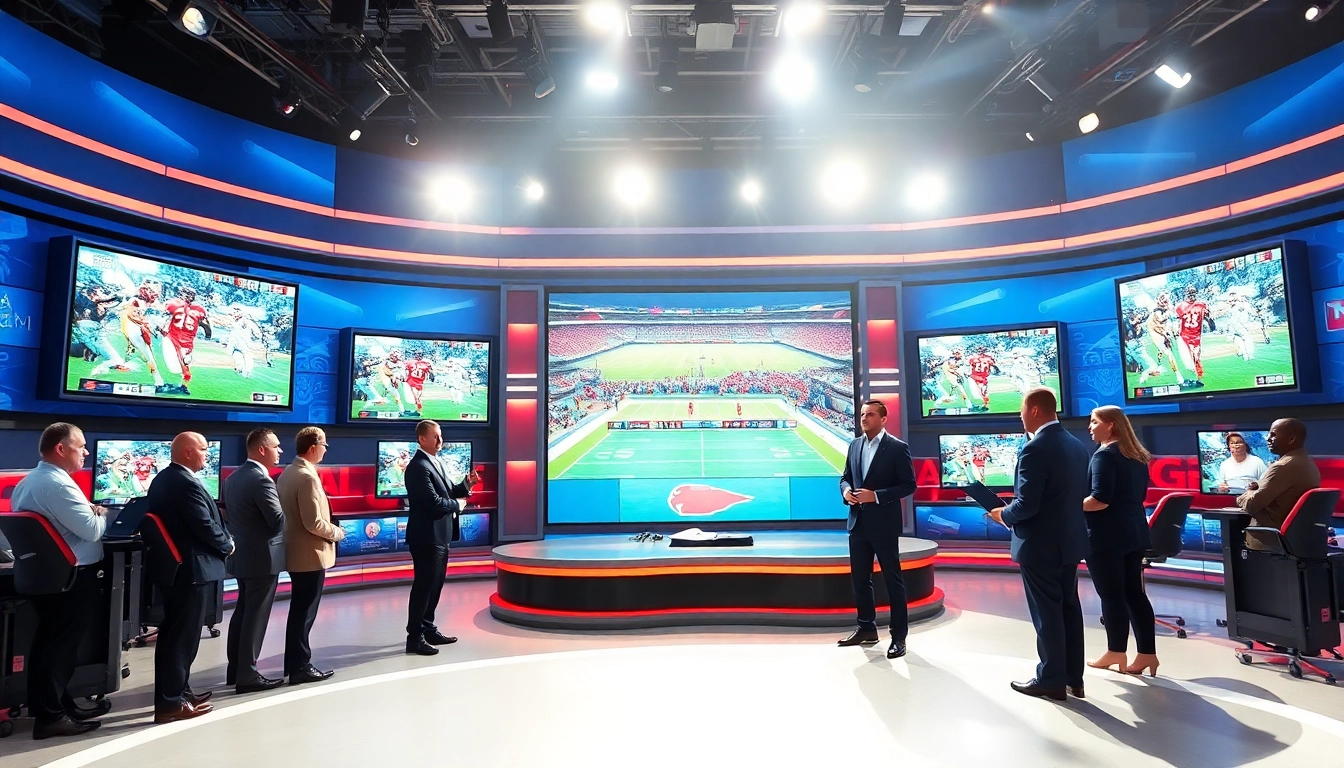
Understanding Sports Broadcasting
Sports Broadcasting has evolved dramatically over the years, shaping how fans experience their favorite events. This sector combines the excitement of live sports with advanced media delivery techniques, creating an immersive experience for spectators at home and in stadiums alike. The effectiveness of Sports Broadcasting depends on understanding both its historical context and its ongoing developments.
The Evolution of Sports Broadcasting
The journey of sports broadcasting began in the early 20th century with radio transmissions bringing live sports to audiences. Initially, these broadcasts were limited and often spontaneous, driven by the advances in technology at that time. As television technology emerged, broadcasting transformed into a visual spectacle with major sporting events being televised nationally. This evolution spearheaded an explosion in viewership, setting the groundwork for the multi-billion dollar industry that we see today.
By the late 20th century and into the 21st century, digital innovations further revolutionized sports broadcasting. The introduction of cable channels created specialized sports networks, while the internet paved the way for streaming services. This shift has allowed for greater access, with fans now able to watch their favorite sports on demand, regardless of location.
The Importance of Sports Broadcasting
Sports broadcasting plays a crucial role in the promotion and commercialization of sports. By providing extensive coverage, broadcasting helps in building a strong fan base, which is critical for teams and leagues. It not only enhances the visibility of the sports but also generates revenue through advertisements, sponsorships, and subscription fees.
Moreover, sports broadcasting fosters community engagement by connecting fans with shared experiences. The emotional highs and lows of watching a nail-biting game together solidify the community bond among fans.
Key Components of Sports Broadcasting
Effective sports broadcasting is built on several key components:
- Commentary: Engaging commentary not only informs viewers but also enriches their experience, providing insights into the strategies and nuances of the game.
- Visual Coverage: High-definition cameras, drones, and multi-camera setups offer dynamic visual storytelling, making the viewing experience more enjoyable.
- Audience Interaction: Real-time polls, fan questions during broadcasts, and social media interactions create an engaging environment for viewers.
- Graphics and Statistics: Overlay graphics displaying statistics, player profiles, and in-game analytics enhance viewer understanding and involvement.
Technical Aspects of Sports Broadcasting
Equipment Used in Sports Broadcasting
The backbone of sports broadcasting lies in the equipment used. High-quality cameras, microphones, and broadcasting software are essential to ensure professional-grade production. Camera equipment ranges from handhelds to drones for aerial shots, allowing for a comprehensive view of the action.
Sound quality is equally vital; thus, using directional microphones ensures that commentary and ambient sounds come through clearly. Additionally, equipment must be adaptable to both studio settings and outdoor environments, which often changes due to weather or other unforeseen circumstances.
Broadcasting Technologies and Innovations
Technological advancements continue to redefine sports broadcasting. 4K Ultra HD and the growing adoption of virtual reality (VR) and augmented reality (AR) elevate viewer experiences by providing more engaging and immersive content. Innovations such as remote broadcasting technology allow production teams to operate from various locations, which can save costs and increase flexibility.
The implementation of cloud-based solutions also facilitates seamless content storage and distribution, permitting broadcasters to access and share footage quickly and efficiently.
Editing Techniques in Sports Broadcasting
Editing is a critical aspect of sports broadcasting that helps in highlighting key moments and ensuring smooth transitions between scenes. Techniques such as slow motion, instant replays, and graphics integration are used to enhance dramatic moments during a game.
Producers must be adept at making quick decisions, often in real-time, to deliver compelling recaps or analyses during live broadcasts. Editing software must be sophisticated enough to handle these tasks with precision and speed, which is crucial for maintaining viewer engagement.
Content Strategies for Effective Sports Broadcasting
Creating Engaging Sports Content
To capture and retain audiences, broadcasters need creative content strategies that resonate with fans. This includes behind-the-scenes interviews, player profiles, and in-depth analyses of games. Personal storytelling allows fans to connect with teams and players on a deeper level, enhancing loyalty and viewership.
Live content should combine excitement with informative segments, offering statistics, game analyses, and interactive features that involve viewers and encourage them to engage with the broadcast.
Utilizing Social Media in Sports Broadcasting
Leveraging social media platforms enables sports broadcasters to expand their reach and foster engagement. Platforms like Twitter, Instagram, and Facebook are ideal for real-time updates, driving discussions, and sharing unique content such as highlights and interviews. Engaging with audiences through Q&A sessions, polls, and live tweets during events creates a sense of community and can amplify viewership.
Moreover, social media helps broadcasters gather valuable audience insights, enabling them to tailor content to meet viewer preferences better.
Measuring Engagement and Audience Reach
Employing data analytics tools is crucial for measuring viewer engagement and reach. Metrics such as average view duration, social media interactions, and audience demographics help broadcasters understand their audience better. This information can guide strategic decisions, such as which games to broadcast or the type of content to produce for maximum impact.
Using data effectively allows for adapting strategies to boost audience retention and satisfaction, ensuring that broadcasts remain relevant and appealing.
Challenges in Sports Broadcasting
Overcoming Live Broadcasting Challenges
Live broadcasting comes with challenges such as technical difficulties, unexpected events, and the need for quick decision-making. Technical issues can arise from equipment malfunctions, connectivity problems, or extreme weather conditions during outdoor events.
To mitigate these challenges, broadcasters should invest in backup systems and training for personnel to troubleshoot issues swiftly. Having experienced commentators who can fill time during delays is also valuable for maintaining viewer interest during unforeseen circumstances.
Regulations and Compliance in Sports Broadcasting
Sports broadcasters must navigate complex regulations concerning licensing, copyright, and broadcasting rights, which can vary by region. Understanding and complying with these regulations is crucial to avoid legal complications and ensure seamless operations.
Working with legal advisors to stay updated on changes in broadcasting rights and licenses can help prevent costly mistakes and ensure compliance with industry standards.
Competition and Market Trends in Sports Broadcasting
The sports broadcasting market is fiercely competitive, with numerous platforms vying for audience attention. As streaming services gain popularity, traditional broadcasters must adapt by offering original content and exclusive rights to events.
Keeping abreast of market trends through continuous research and audience feedback is essential for broadcasters. Diversifying content and exploring partnerships with tech companies for innovative broadcasting solutions can provide a competitive edge in this landscape.
The Future of Sports Broadcasting
Emerging Technologies Impacting Sports Broadcasting
Emerging technologies are set to revolutionize how sports broadcasting is perceived and consumed. Artificial intelligence (AI) is increasingly being used to analyze game tactics and create personalized viewing experiences. AI-driven analytics tools promise to alter the way commentary is delivered by offering data-driven insights.
Furthermore, the advent of 5G technology will facilitate high-speed streaming, enabling viewers to access high-quality content from any location seamlessly. This evolution ensures that fans can engage with the sports they love in new and exciting ways.
Trends Shaping the Future of Sports Broadcasting
Several trends are shaping the future landscape of sports broadcasting. Increased focus on esports broadcasting is one such trend, as competitive gaming continues to grow in popularity. Traditional sports networks are now looking to adapt their strategies to incorporate esports, reflecting changing viewer demographics and interests.
Another trend is the rise of subscription-based models, allowing networks to generate more predictable revenue while providing viewers with tailored content. Interactive broadcasts featuring clickable graphics and viewer polls are also changing how audiences engage with live sports.
Preparing for the Next Era of Sports Broadcasting
As the sports landscape evolves, broadcasters must be proactive in adapting their strategies. This includes investing in training for staff to stay ahead of technological advancements and trends. Collaboration with tech companies to develop innovative content delivery methods can also enhance viewer engagement.
Additionally, diversifying content offerings to cater to different demographics will be essential in maintaining broad appeal in a rapidly changing market.
FAQs about Sports Broadcasting
What is Sports Broadcasting?
Sports Broadcasting refers to the transmission of sports events through television, radio, or online platforms, allowing fans to watch live or recorded games and events.
How has technology changed Sports Broadcasting?
Technology has introduced high-definition visuals, interactive features, and streaming services, making sports more accessible and engaging for audiences globally.
What challenges do broadcasters face?
Challenges include technical issues during live events, regulatory compliance, and fierce competition from streaming platforms and traditional media.
How do broadcasters measure audience engagement?
Broadcasters use metrics such as viewer ratings, social media interactions, and analytics software to gauge audience engagement and preferences.
What is the future of Sports Broadcasting?
The future of Sports Broadcasting will involve greater personalization, advanced technologies like AI, and a focus on emerging markets such as esports.